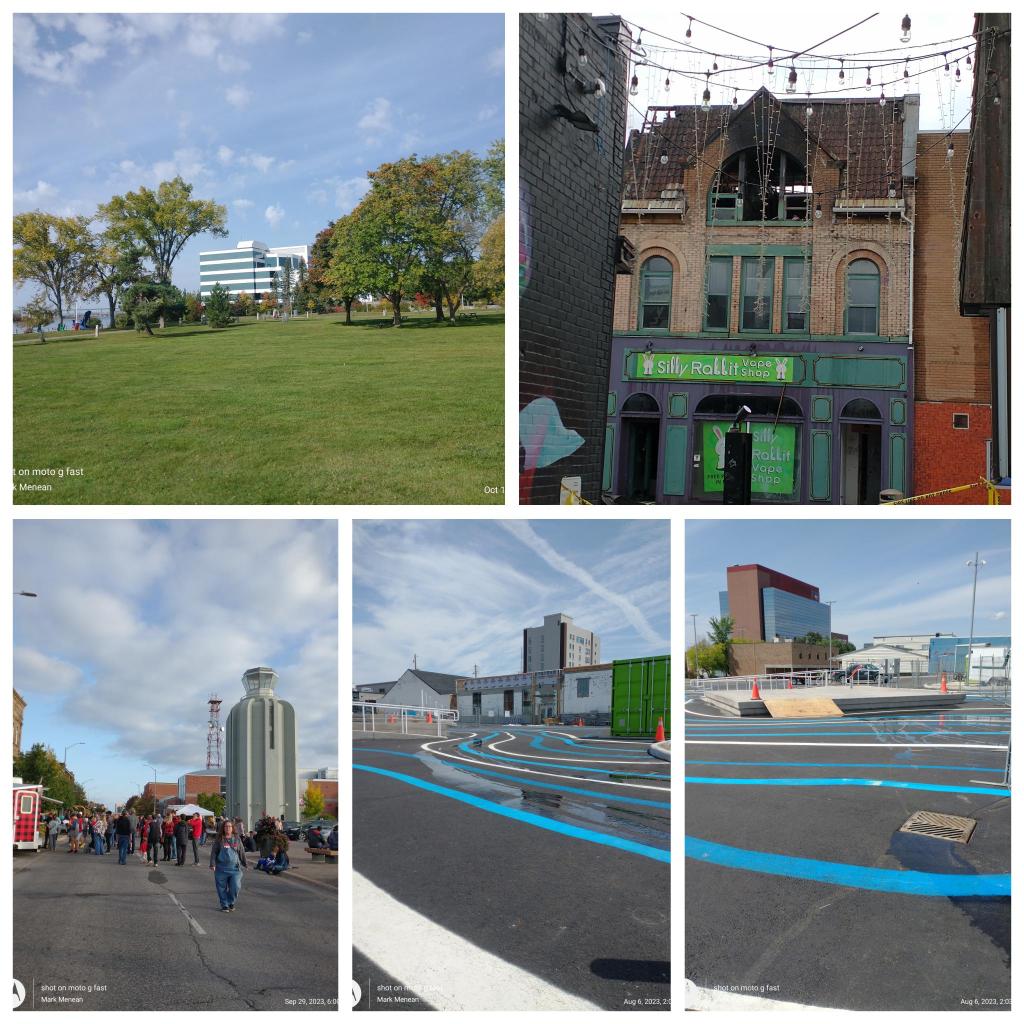
Another casualty of our new Downtown Plaza (DT Plaza) appears to be the embattled Downtown Association (DTA). The DT Plaza, forced upon everyone by Mr. Tom Vair, CAO, has delivered the knock-out blow to the DTA. The DT Plaza, funded by the Sault Taxpayer, planned by and most importantly controlled by the City Administration, will now dictate events at the DT Plaza. City Administration will effectively become the new party planner for the Sault Downtown; therefore, the DTA is no longer needed.
Mr. Tom Vair, CAO, was instrumental in bringing the independent Sault Economic Development Corporation into the municipal fold, thus absorbing its staff and costs into the municipal taxpayer’s coffers. Since its move to the City coffers, Councillors have repeatedly asked and begged for timely reports of successes from the Economic Development Corporation’s activities—to no avail.
Tourism and Community Economic Development Coordinator Mr. Travis Anderson ($140k) will now absorb the DTA into the burgeoning municipal portfolios, which include Sault Tourism, aka the lucrative Municipal Accommodation Tax (MAT).
The City Administration has funds available for the Memorial Gardens to acquire entertainment contracts, so the Memorial Gardens are also municipally controlled. Although the Memorial Gardens is an essential venue for the City of Sault Ste., it has never broken even and runs at a yearly financial deficit.
Other areas of responsibility abound for our Sault Tourism EDC, including involvement in the Algoma Central Tour Train, Searchmont Ski Hill, and Hiawatha Mountain Biking.
Mr. Travis Anderson, Tourism and Community Economic Development Coordinator, well funded by the lucrative, if not totally legal MAT tax (IMO), is well positioned to take over the 400 wallets of the DTA members. Even if the DTA is no longer wanted, the $300k from the members is still very much in play. The question is: If there is no longer a real DTA, should the DTA members still have to contribute to an administrated City fund?
But who will miss the Downtown Association?
The DTA failed to address several critical issues over the years and decades, leading to its demise.
Safety and Security: Real or not, the perception is that the downtown area is unsafe. IMO, the DTA needs to take more leadership to address this problem. Look at other businesses like the LCBO, the Beer Store, RBC Bank, retail, grocery stores, etc., which now employ security guards on duty all the time. These businesses understood that for staff and customer safety, it was now necessary to spend the money on increased private security.
The construction industry that I work in demands the safety and security of construction sites to stem theft and vandalism. It’s part of the job now; it’s the new reality. Security costs have to be factored into the cost of construction. It is paramount that private security is contracted to safeguard construction sites and assets.
The DTA failed to convince members that a separate security fund was needed for 24/7 private security of buildings, businesses, and, most importantly, staff and customers. Like all other businesses that could not rely on the municipal police for the safety and security of their assets, staff, and customers, the DTA failed to accept that reality.
Parking: The failure to provide sufficient, convenient, and dedicated parking for Downtown businesses has been a 44-year-long problem. A policy of dead asset building removal for parking needed to be implemented decades ago. The lack of convenient, dedicated parking is a Downtown business killer.
Neighbourhood Housing Blight: If you walk or bike through beautiful Downtown Traverse City and venture into the surrounding neighbourhoods, you will find the best housing in Traverse City. It’s a sought-after location for people who live in Traverse City; people want to live in Downtown Traverse City.
Over the past 15 years, using the TARP program, Midland and other Michigan Cities have demolished thousands of blighted downtown houses for new downtown housing redevelopment. Utilizing the existing downtown city streets and utility infrastructure, they have revitalized their Downtown so people want to move back.
What did the DTA do to understand and facilitate the programs to revitalize our downtown housing stock? A healthy, vibrant, safe housing stock around the Downtown would have benefited the DTA. Leaving boarded-up, blighted housing around the Downtown perpetuated a blight and decay culture.
The Sault Planning Department’s new Official Plan states that our Downtown must transform into a “complete neighbourhood.” It must be a place where people live, work, and shop, a place where people will want to move to.
The question is: Will the City Administration’s takeover of the DTA provide the leadership, programs, policies, and financial strategy to achieve that?
Mark Menean
saultblog.com
 Sault Blog
Leave a comment