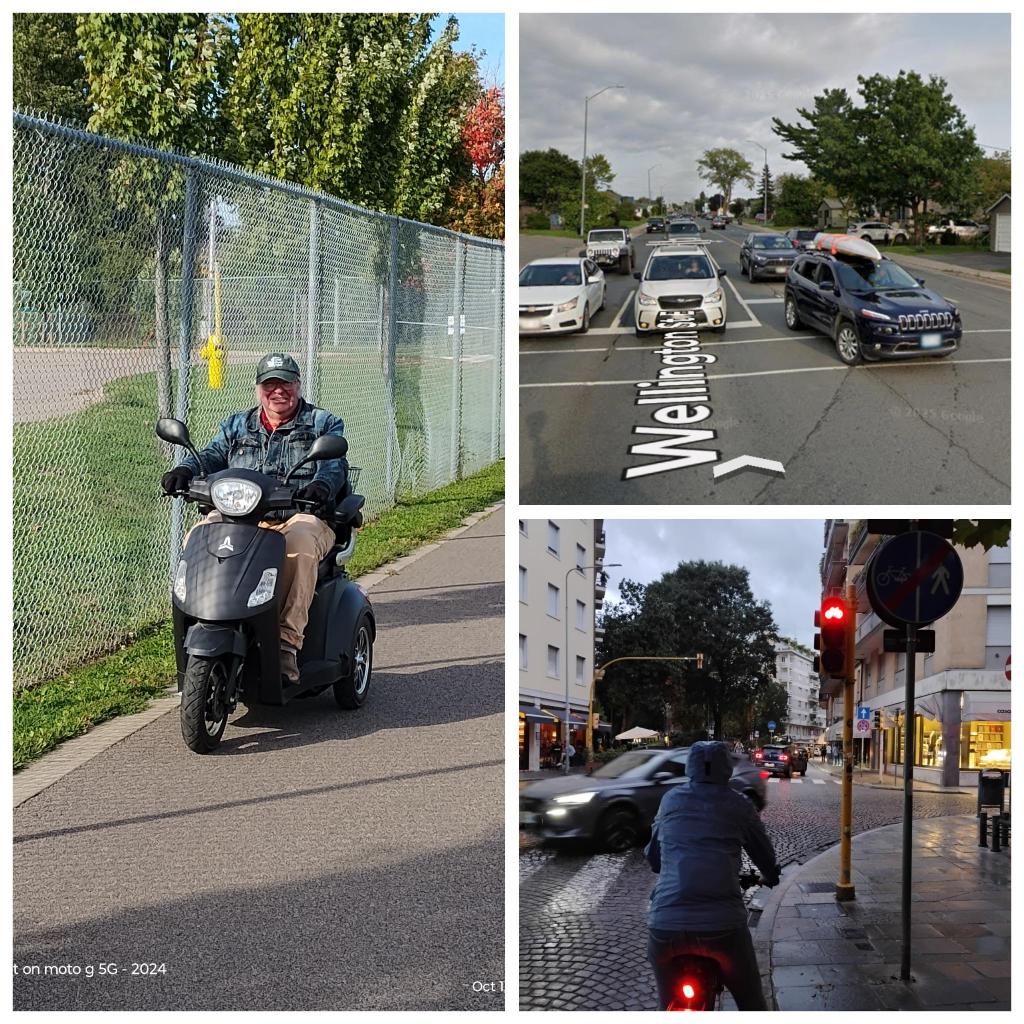
The Sault’s new Active Transportation Master Plan (ATMP) primary objective is to create equity of mobility, ensuring that residents of all ages, abilities, and backgrounds have safe and reliable transportation options, allowing them to choose any transportation mode they prefer and enhancing safety and accessibility by adopting and rehabilitating mobility corridors by using complete streets for improved access to safer walking, rolling, and cycling throughout Sault Ste. Marie. The ATMP vision is to enhance the active transportation network by developing safe and accessible routes that connect the John Rowswell Hub Trail to key downtown destinations, residential and employment areas, alongside transit services and spoke routes. The ATMP calls for the creation of an advisory board and the hiring of staff to manage the expanded Hub Trail system, as well as the development of educational programs that promote and adopt active transportation modes. These programs will demonstrate the viability, safety, and accessibility of sustainable transportation in the future.
The ATMP does an excellent job at planning the build-out of the John Rowswell Hub Trail in the Sault’s West End neighbourhoods. A twenty-year inequity of mobility when the Hub Trail was built, servicing our City’s East End primarily. This thirteen-kilometre extension, which proceeds down Wallace Terrace, heading north behind Brookfield and Jefferson Avenue, then easterly behind Chippewa Avenue, to Peoples Road, connecting to Fort Creek, will circumnavigate our entire City and honour the vision of our former Mayor, John Rowswell. Incidentally, the projected cost of this West End Hub Trail extension is $1 million per kilometre, totalling $13 million, which ironically is exactly what we spent on the Downtown Plaza.
The John Rowswell Hub Trail has always been a winner for our City because, besides providing equity of mobility, it accomplishes three other benefits for our City and citizens. Firstly, the Hub Trial encourages people to incorporate regular physical activity, thereby improving overall health and helping to prevent chronic diseases. Secondly, spending time outside can also help lower stress levels, improve mood and mental health, and boost energy levels. A properly designed Hub Trial should also monetize local businesses, directing citizens and tourists alike to spend money at local restaurants, bars, retail establishments, and showcase our City. Our City is getting better at this; however, removing the main core of the Hub Trail from the Canal District was a mistake, because it includes our City’s industrial history, the Sault Locks Heritage, and First Nation’s Whitefish Island; some of the best features of our City.
The ATP recommends further study and a long-term goal of achieving mobility equity on Wellington Street, Great Northern Road, and Second Line traffic corridors. The recent tragic cyclist “accident” on Wellington Street raises the question: Shouldn’t equity of mobility be the number one priority on the most heavily trafficked streets and roads in our City? This is how the vast majority of our citizens get to work, play, shop, eat, etc., and these streets lack equity of mobility. Before putting a $20M swimming pool in the St. Mary’s River, we need to prioritize equity of mobility on our most trafficked streets first.
Building out the micro-mobility corridors on Wellington Street, Great Northern Road, Second Line, and completing the Hub Trail in the West End of our City will take time and a significant amount of money; however, in the meantime, other important aspects of the ATMP must be initiated immediately.
When I talk to micro-mobility users (power wheelchairs users) about their experiences with mobility on the Hub Trail and its spokes, their answer is usually “safety”. They do not feel safe; they feel invisible, that drivers do not look out for them. These comments are all a result of a failure to establish education, training, awareness, and etiquette programs for drivers, cyclists, and micro-mobility users. These programs should have been created and implemented when the Hub Trail was initially built; this is something that can NOT be procrastinated.
The John Rowswell Hub Trail is the greatest, most democratic gift given to the citizens of Sault Ste. Marie, it needs to be completed, and creating equity of mobility on the most trafficked corridors of our City would go a long way to mobility fairness. Immediately initiating education, training, awareness programs, and Hub Trail etiquette can save lives now.
Mark Menean, http://www.saultblog.com
Thank you. Sault Ste. Marie, Active Transportation Master Plan.
 Sault Blog
Leave a comment