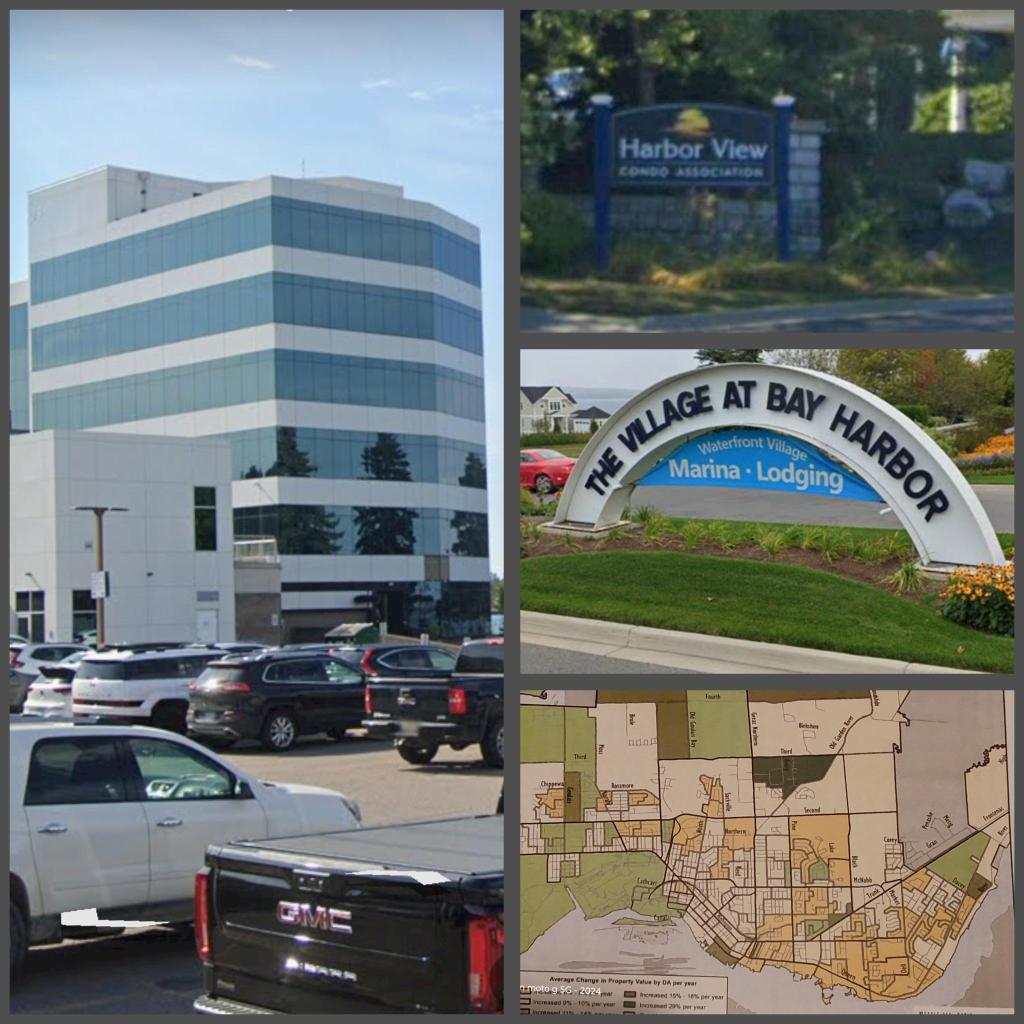
In 2019, Sault’s Planning Department released the document “Community Profile of Housing in Sault Ste. Marie” information package. The well-researched and written document was the first of its kind release to provide datasets, charts, and Geographic Information System (GIS) mapping of the condition of housing in our City. The GIS mapping also included a simple yield management map of the average assessed value of homes in different areas in our city, where the effects of disinvestment in certain neighbourhoods resulted in 25% of housing in need of major repair, with depressed property values.
The report also stated that there was a wait list of approximately 1,164 households requiring subsidized or geared-to-income housing, and a further 102 homeless persons estimated by the point-in-time count.
The data from the above report was rolled into the Official Plan Background Report, September 27th, 2021, as the backbone for the new and updated City of Sault Ste. Marie’s Official Plan, the first time updated since 1996. A tremendous amount of work, well organized, covering almost all aspects of our City’s operations based on data prior to 2018.
At an open house prior to COVID, I expressed skepticism about the population and employment projections in the report. The employment projections indicated that there would be a net total increase in employment with most gains being Health and Social Services (+1,250) jobs, and Business Services (+1,100) jobs, and manufacturing expected to lose (-275) jobs for an actual (+5,900) jobs gained resulting in a Sault population targeted at 83,300 by the year 2036.
Based on these jobs and population projections, the 2021 Official Plan Background report called for the creation of approximately 4,000 housing units, comprising 2,600 single-family units (65%), 880 apartments (22%), and 520 townhomes/semi-detached units (13%). Social housing needs in the Sault continued to rise to 1,600 subsidized and geared-to-income, and there were approximately 421 people in the 2024 point-in-time homeless count.
Since the creation of these Official Plan projections, reality has not been kind to Sault Ste. Marie. First, there was the COVID pandemic and the tragic deaths, personal despair, and economic ruination it caused. Secondly, the surge in foreign student population at both the University and College has been severely curtailed, and their ability to remain in the community to secure employment is questionable. Finally, the harsh blow to the City: 1,050 immediate manufacturing jobs lost at Algoma Steel, with an additional 1,600 service-sector jobs lost, as forecasted by Sault’s Economic Development Manager.
The Official Plan Background Report has been shelved for so long that it is obsolete; population and jobs projections must be re-evaluated and recalculated. From these new projections, a more robust housing needs assessment based on real housing types must be developed and calculated. The Sault’s Planning Department must be realistic about the City’s real housing needs.
Social Housing is the number one needed housing type in our City. There is currently a need for 1,700 social housing units, geared to income. These will be 4-plexes to 12-plex missing middle housing units to be built in existing downtown neighbourhoods. This task would largely fall to the District of Algoma Social Services Board, Housing Division, not the Private Sector. Removing the profit from affordable housing is paramount to its success.
The Official Plan Background Report identify a large area of blighted housing in the downtown core that, if removed, would serve as the basis for the creation of the missing middle houses needed; unfortunately the Sault’s new Official Plan has no plan and strategy to deal with the urban blight removal.
Seniors Co-operative Housing Units. There are thousands of seniors who live alone in massive homes all throughout our City. Seniors will not leave their homes because of a shortage of co-operative senior housing that prioritizes the needs of Seniors instead of corporate greed. Cancelling funding for co-operative housing in the 1980’s and downloading the responsibility for affordable housing creation to the Private Sector was a massive Government mistake that our City is paying for now.
New single-family homes will be for the affluent only. After the COVID pandemic, inflationary pressures on the cost of building materials and labour in housing construction rendered a new single-family home no longer affordable to the vast majority of Saultites, let alone to the young generation seeking entry into the housing market. The projected housing need of 2,600 single-family homes in the Sault by 2036 is completely unattainable. These homes are too expensive to build, maintain, and pay the staggering municipal taxes.
Projecting the construction of these 2,600 single-family homes requires the new Official Plan Background Report to expand the Urban Service Area of the Sault, and allowing new Rural Estate Residential Subdivisions is a mistake for our City for a number of reasons. Expanding Sault’s USA Urban Service Area will add costs for the City but will not generate enough taxes in return. American municipalities have moved to the Home Owners Association (HOA) model that forces new subdivision to be completely self-built and self-funded for “all municipal functions”. These municipalities do not want to expand their Urban Service Area, as they are at the limit of providing municipal services, as is the Sault.
Sault’s new Official Plan relies on a decades old model of housing expansion that is no longer attainable; expanding the Urban Service Area for massive Rural Estate Residential Subdivisions that cost more to maintain than municipal taxes garnered is financial failure. The new Official Plan fails to address the low tax yields and urban blight in the downtown housing core with an urban blight removal strategy, creating missing middle social and senior co-operative housing “in existing neighbourhoods”.
The new Official Plan sat around for so long that the base population and jobs projection data must be updated, reassess realistic housing type needs, an urban blight removal strategy created emphasizing urban redevelopment, and the implementation of an HOA new housing policy to control future costs.
Mark Menean, http://www.saultblog.com
 Sault Blog
Leave a comment